Skip to content

Integrations, automation, and AI for complex operations

Turning complexity into progress

LinkedLines helps companies make critical operational processes reliable across systems, data, and teams, with implementation that is robust, controlled, and built for day-to-day use.

EMAILINBOUNDAI CLASSIFY?DATA?CASESTATECRMUPDATETASKOWNERTEAMNOTIFYSTATUSDATA READYAI REPLYWAITING
Reduce manual handoffs
Bridge system gaps
Stabilize critical workflows
Apply AI with clear guardrails

Problem areas

The problems we solve

We typically help when manual handoffs, fragmented process chains, or excessive coordination overhead are stretching cycle times, increasing error risk, and tying up skilled capacity in avoidable alignment work.

Manual handoffs between systems
Information is repeatedly copied between CRM, ERP, support tools, spreadsheets, and internal systems. That consumes time, increases error risk, and creates inconsistent records and fragile process flows.
Fragmented work across systems and channels
A single process runs across email, chat, spreadsheets, and multiple systems. Information and status have to be pieced together, follow-up questions multiply, and the overall process becomes difficult to manage reliably.
Heavy coordination and follow-up workload
A disproportionate share of operational work goes into reminders, follow-ups, forwarding, and checks. That absorbs capacity without materially moving the underlying process forward.
Processes scale through headcount, not structure
As volumes rise, so does the manual burden: more coordination, more rework, more exception handling. The process itself does not become more resilient; it becomes more expensive and harder to control.
Heavy manual effort for reporting, documents, and status updates
Reporting, documentation, and status updates require information to be pulled together repeatedly from multiple sources, checked, and prepared. That consumes skilled time, increases inconsistency, and slows decisions and downstream work.
Fragile automations with poor maintainability
Existing automations work on the happy path but break on exceptions or remain difficult to understand. Teams still have to check outcomes manually, changes become risky, and much of the expected relief never materializes.

Business contexts

The operating environments we most often work in

We are most relevant where operational friction has become structural and can no longer be absorbed through manual workarounds and improvisation.

B2B companies with evolved system landscapes

Companies where core operational processes run across CRM, ERP, spreadsheets, internal tools, and other SaaS systems, and day-to-day stability still depends on manual rework, data upkeep, or handoffs.

Service and process-led organizations with high coordination overhead

Organizations where recurring workflows are managed through status changes, reviews, approvals, follow-ups, and exceptions, and where a disproportionate share of the work goes into coordination rather than actual processing.

Companies with a concrete AI use case

Companies with a concrete AI use case that needs to move beyond exploration, pilot status, or isolated tooling and become a productive part of day-to-day operations, with clear task boundaries, defined quality requirements, and controlled integration.

Core capabilities

What we actually do

LinkedLines connects systems, automates recurring operational processes, and applies AI where it can be integrated into real workflows in a controlled, productive way.

Integrate systems

We connect SaaS tools, internal systems, and data sources so information moves reliably across systems and process steps, with clear mapping logic, validation, and consistent records across system boundaries.

ERPCRMPIMHOOKAPIDATAAPIHUB

Automate workflows

We automate recurring workflows, approvals, notifications, and follow-up actions so they hold up beyond the happy path, with traceable trigger and process logic, proper exception handling, and clear auditability in live operations.

>TRIGGER1STEP?CONDYYESNNO2ACTIONEND

Make AI operational

We use AI where conventional logic reaches its limits, for example in extraction, classification, research, or assistance, and integrate it into the workflow with clear task boundaries, guardrails, and sensible system design so outcomes remain controllable and genuinely usable in day-to-day operations.

RROUTETTHINKPPLANAACTEEXECGGENRAGMCP

Implementation standards

How we make implementation production-ready

Code-based with clear system and business logic
Cloud-based and scalable, primarily built on AWS
Resilient through rigorous validation and systematic error handling
Reliable in live operation, with retry logic, proper exception handling, and controlled change paths
Traceable through logging, monitoring, and observability
Privacy-conscious with GDPR and EU hosting requirements in mind

Getting started

How an engagement typically starts

The primary entry point is a process analysis. If the right starting point is not yet clear, an automation potential assessment can make sense first. In both cases, you receive a written assessment, a sound basis for further investment, and a clear recommendation on the next step.

Best fit when the process is already clear

Process Analysis

When a specific process is already in focus and the goal is to determine how it can be automated in a sound, reliable way.

Outcome

  • A written assessment of the relevant process, with clear operational and technical evaluation
  • Clarity on the workflow, involved systems, relevant data flows, and critical handoffs
  • An assessment of risks, dependencies, and the key prerequisites for reliable implementation
  • A clear recommendation for how the process can be automated in a sound, reliable way

What the analysis covers

  • Structured clarification of the process with the relevant stakeholders and available materials
  • Review of the relevant systems, technical documentation, existing interfaces, and the actual integration landscape
  • Analysis of handoffs, exceptions, failure cases, and operational risks
  • Assessment of feasibility, risk, degree of standardization, and the appropriate technical implementation approach

fixed price

2,000

plus VAT

Best fit when the right starting point is still unclear

Automation Potential Assessment

When several processes are in play and the first step is to determine which one should be prioritized from an operational and economic perspective.

Outcome

  • A written assessment of the relevant candidate processes, with clear prioritization and decision support
  • A structured view of several possible starting points
  • An evaluation based on impact, maturity, effort, and technical fit
  • A clear recommendation on the most sensible and economically viable place to start

What the analysis covers

  • Structured analysis of the relevant processes with the involved stakeholders
  • Review of relevant processes, materials, and current workflows
  • Assessment of manual burden, bottlenecks, dependencies, and economically relevant leverage points
  • Review of the system landscape, interfaces, and technical fit
  • Comparison and prioritization of the candidates

fixed price

4,000

plus VAT

Project flow

How analysis turns into a productive solution

After the process analysis, the next step is clearly defined: a recommended scope, a transparent proposal, and a controlled path into implementation.

Analysis outcome, scope, and proposal
Based on the process analysis, we define a concrete implementation path, with a recommended scope, a transparent proposal, and clear assumptions, boundaries, and client-side responsibilities.
Implementation with clear process and system logic
During implementation, we work from a clearly defined process, data, and integration model. Triggers, states, handoffs, exceptions, and responsibilities are implemented so that changes remain manageable and operational decisions stay traceable.
Testing, sign-off, and go-live
Before go-live, we verify critical workflows, exceptions, and handoffs using appropriate test scenarios and test data. Where sensible, validation happens first in controlled environments. The move into live operation is then designed to keep risk contained and critical cases properly safeguarded.
Operational support and targeted expansion
After go-live, we actively support live operations. We keep an eye on monitoring, failure cases, and critical signals, respond to issues, and create a stable basis for connecting additional process steps or expanding the solution in a targeted way.

Selected examples

What this looks like in practice

Both examples show real implementations in which operational processes were digitized, connected to relevant systems, and relieved of manual handoffs.

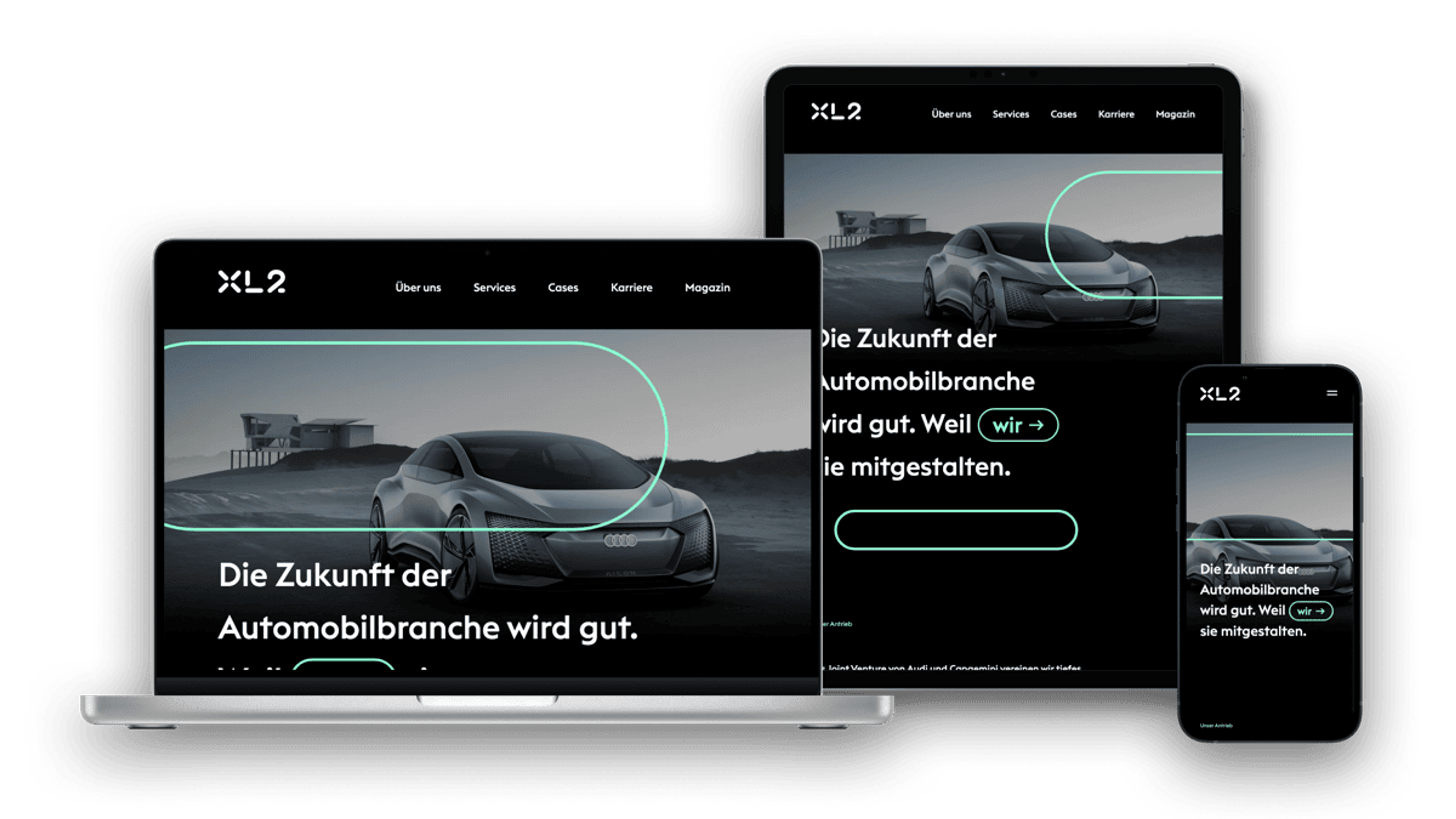
XL2 website screenshot
Workflow automationBackend logic

XL2 – Event registration, form, and follow-up workflows turned into a digital process flow

For XL2, LinkedLines developed a digital process flow for registrations, form logic, and downstream event operations. In the background, submissions trigger structured follow-up workflows for intake, communication, and event-related fulfillment. Data is processed centrally and kept consistently usable for exports and calendar functions.

XL2 GmbH
XL2 GmbH

About LinkedLines

Who you work with

LinkedLines was founded in 2017 by Max Christl and Georg Sirikelas and is still led by both founders today. For consulting, scoping, and delivery, you work directly with Max Christl. He brings more than 15 years of experience in IT consulting, software architecture, and technical delivery, including projects for BMW, Bayer, Kodak, and Novartis. He understands both the technical side and the realities of evolving IT landscapes, internal alignment, and operational requirements. As co-founder and Managing Director, Georg Sirikelas is responsible for the organizational stability behind delivery. He ensures that LinkedLines is run in a structured, dependable way with clear accountability.

  • Founded in 2017 and still founder-led today

  • Direct collaboration without a separate sales layer

  • Experience across mid-sized businesses and demanding enterprise environments

  • Understanding of evolving IT landscapes, operational processes, and real implementation requirements

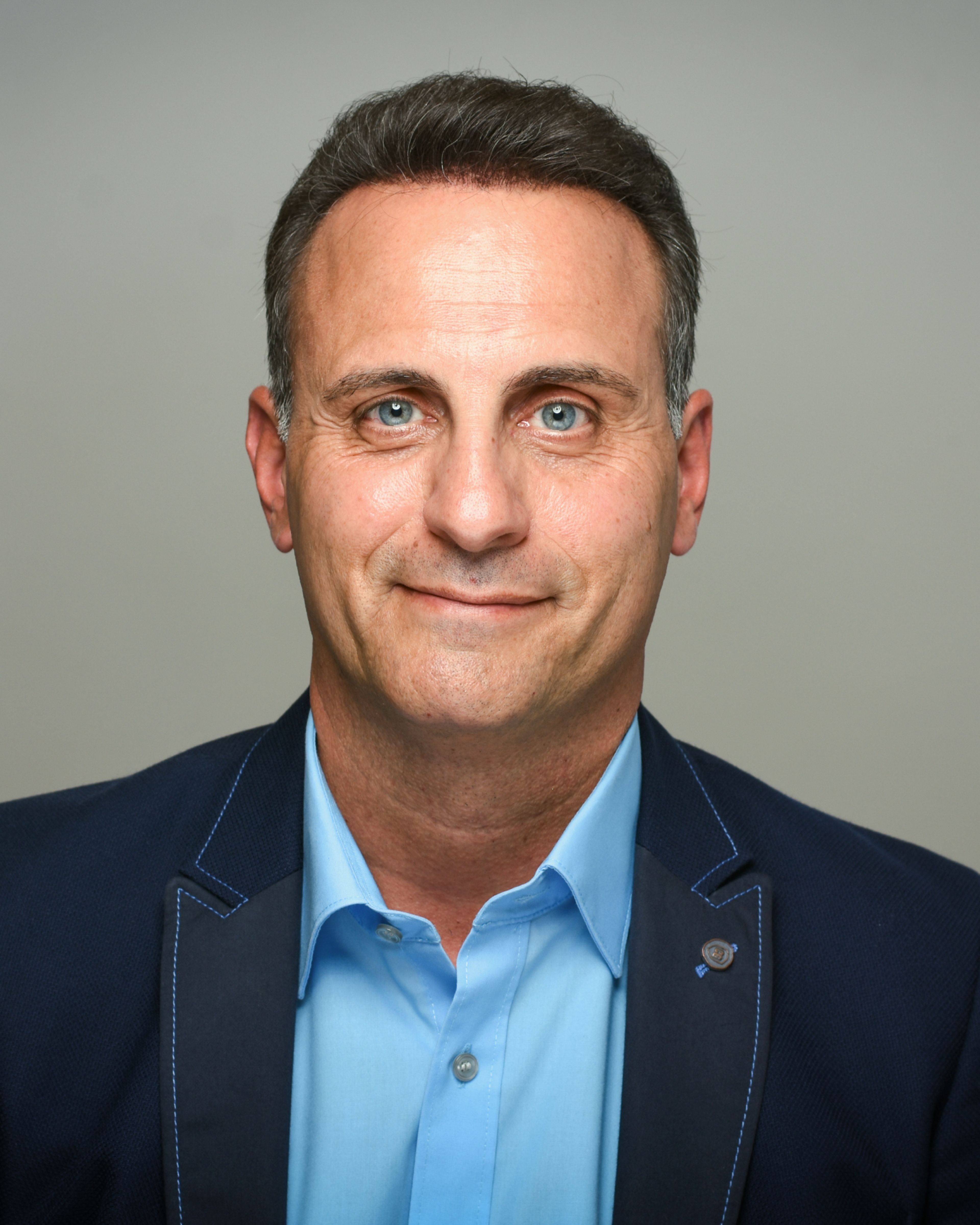
  • Portrait von Maximilian Christl

    Maximilian Christl

    Managing Director · Consulting, Scoping & Delivery

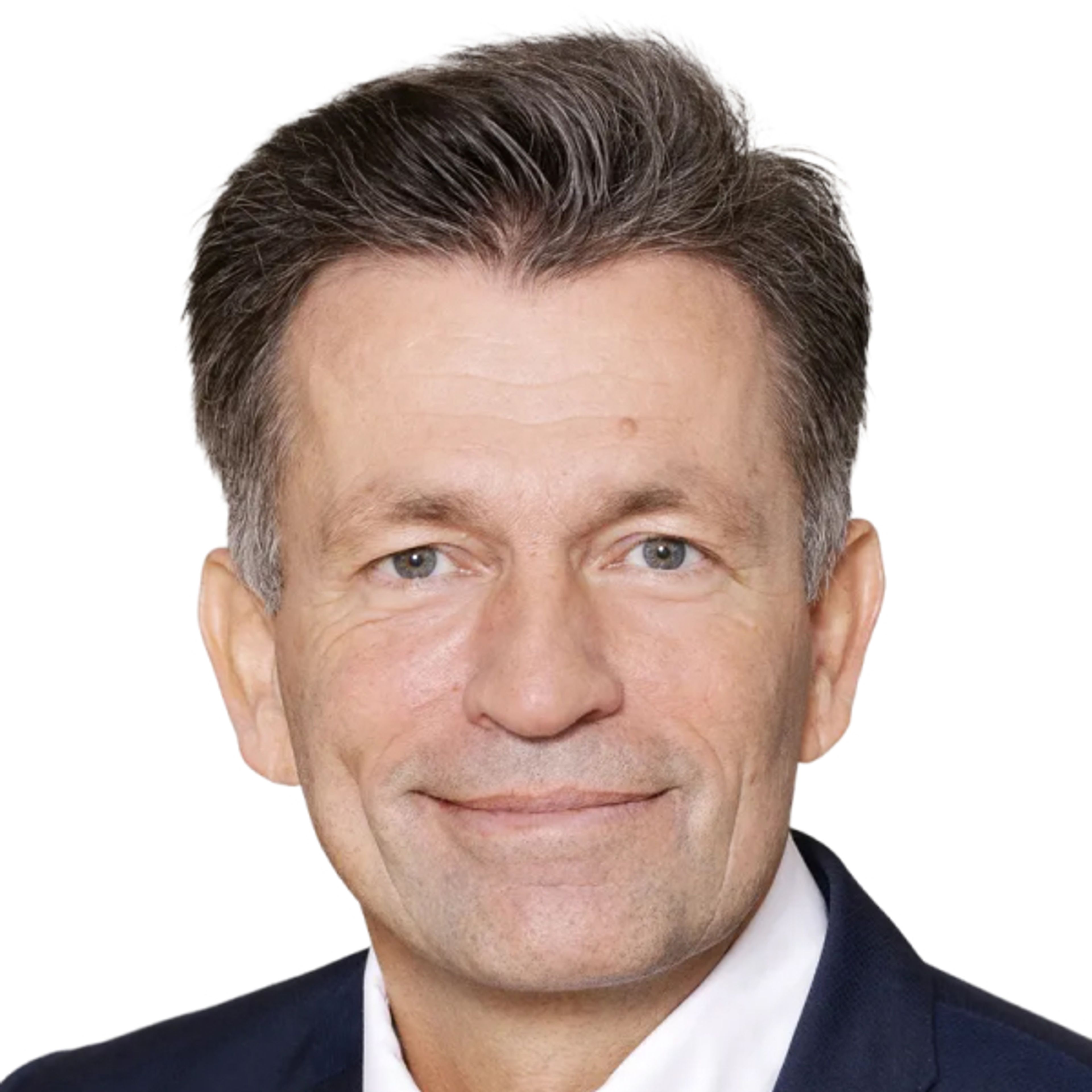
  • Portrait von Georgios Sirikelas

    Georgios Sirikelas

    Managing Director · Operations, Organization & Management

Testimonials

How clients describe working with LinkedLines

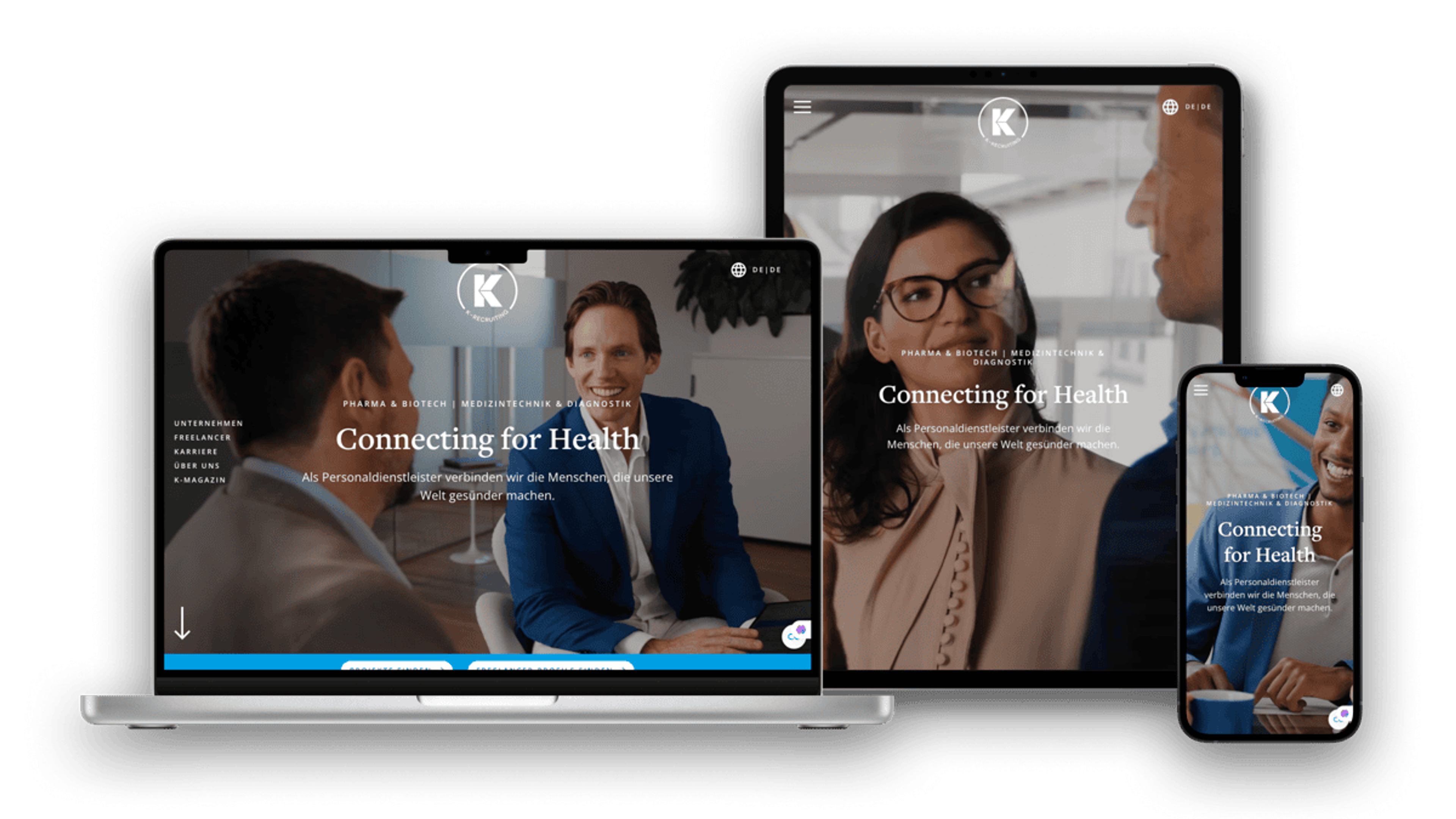
K-Recruiting
K-Recruiting
K-Recruiting
K-Recruiting

“Working with LinkedLines feels less like being a client and more like being a partner. What I particularly value about Max Christl and his team is their 100% availability, reliability, and a pace that truly makes a difference.”

Robert Kroeger, K-Recruiting
Robert Kröger
Teamlead Marketing, K-Recruiting
XL2
XL2
XL2
XL2

“LinkedLines delivers, full stop. Fast, clean, and always highly professional. We look forward to continuing this strong, collaborative, and trust-based relationship.”

Debora Wagner, XL2
Debora Wagner
Head of Marketing, XL2 - by Audi & Capgemini

Project fit

What makes for a strong starting point

Not every initiative should move straight into implementation. A strong starting point usually means there is a relevant operational process and the basic conditions for sound analysis and reliable delivery are in place.

Fit

Strong starting point

  • There is a recurring operational workflow where friction, delays, or manual effort are already noticeable, and where the value of improvement can ideally be quantified.
  • The systems involved are predominantly digital, cloud-based, or can be connected via APIs or other interfaces.
  • At its core, the process follows a recognizable logic and does not depend primarily on ad hoc case-by-case judgment.
  • There is a clear owner on the client side, along with a willingness to provide process knowledge, documentation, feedback, and decisions reliably.

No-Fit

Weaker starting point

  • There is general interest in automation or AI, but no concrete operational pressure to act.
  • Key process steps still run largely on paper, through offline manual work, or in systems with no meaningful path to integration.
  • The process still depends heavily on tacit knowledge, edge cases, or person-to-person coordination and is difficult to define in operational terms.
  • There is no clear ownership, no reliable documentation, or simply not enough capacity to provide the input needed for analysis and implementation.

Contact

Clarify the right next step

You speak directly with Max Christl. In our first response, we assess your situation and recommend the most sensible next step.

We usually get back to you within one business day with an initial assessment.

Loading...

Project inquiry

For an initial conversation, your email address is enough. If you like, you can already share a few details about your project.

Optional context for an initial assessment

If you are not yet sure which format fits, simply choose “General inquiry.”

By submitting this form, you agree to our Privacy Policy.